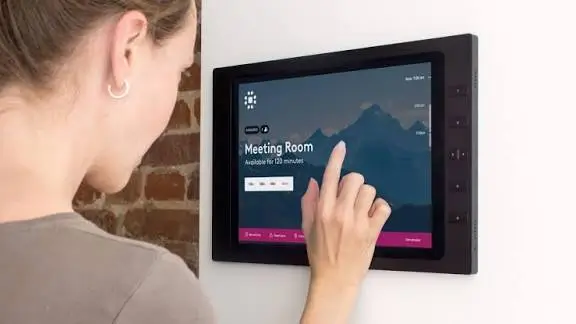
Healthcare facilities face particularly demanding room scheduling requirements, given the need to coordinate clinical spaces, consultation rooms, and various specialized treatment areas across busy, often unpredictable daily operations.
The Distinct Scheduling Challenges Healthcare Facilities Face
Unlike a standard office environment, healthcare facilities need to manage room bookings alongside genuinely urgent, sometimes unpredictable patient care needs, making scheduling flexibility and real-time accuracy particularly critical considerations for any room booking system implemented within this specific operational context.
Coordinating Consultation and Treatment Room Availability
Healthcare facilities typically need to manage availability across numerous consultation rooms, treatment areas, and specialized clinical spaces, each potentially requiring different equipment or configurations, making clear, accurate booking visibility essential for smooth daily clinical operations.
Supporting Both Scheduled Appointments and Urgent Needs
Effective healthcare room booking systems need to accommodate both pre-scheduled routine appointments and the genuine need for flexibility when urgent patient situations require immediate access to appropriate clinical space, balancing structured scheduling against real-world clinical unpredictability.
Managing Specialized Equipment and Room Requirements
Many healthcare spaces require specific equipment or configurations for particular procedures or consultations, making booking systems that capture and communicate these specific room requirements valuable for ensuring patients and clinical staff end up in appropriately equipped spaces.
Reducing Patient Wait Times Through Better Coordination
Improved room booking coordination directly supports reduced patient wait times, since clearer visibility into actual room availability helps clinical staff move patients through their care journey more efficiently without unnecessary delays waiting for appropriate space to become available.
Supporting Multi-Provider Coordination in Shared Facilities
Healthcare facilities with multiple practitioners sharing common consultation spaces particularly benefit from clear booking systems that prevent scheduling conflicts between different providers who might otherwise inadvertently double-book the same limited clinical space.
See also: 30a Beach Massage: A Relaxation Experience Guide for Vacationers
Maintaining Appropriate Privacy and Confidentiality Considerations
Healthcare booking systems need to appropriately balance operational visibility with patient privacy considerations, ensuring booking information provides necessary operational clarity without inappropriately exposing sensitive patient information to unauthorized staff.
Supporting Facility Planning Through Utilization Data
The utilization data captured through healthcare room booking systems provides valuable insight for facility planning decisions, helping healthcare organizations understand actual space usage patterns to inform future expansion or reconfiguration decisions.
Conclusion
Healthcare facilities face distinct room scheduling challenges balancing structured appointment coordination against genuine clinical unpredictability, making appropriately designed booking systems particularly valuable for this sector. Effective implementation supports both smoother daily operations and improved patient care experience.
FAQs
Q1: How do healthcare booking needs differ from standard office scheduling? Healthcare facilities need to balance structured scheduling against genuine, sometimes unpredictable urgent patient care needs, requiring particular flexibility beyond standard office booking requirements.
Q2: Can booking systems help reduce patient wait times? Yes, clearer visibility into actual room availability helps clinical staff move patients through their care journey more efficiently without unnecessary delays waiting for space.
Q3: How do healthcare booking systems balance visibility with patient privacy? These systems need to provide necessary operational clarity for staff while ensuring booking information doesn’t inappropriately expose sensitive patient information to unauthorized personnel.