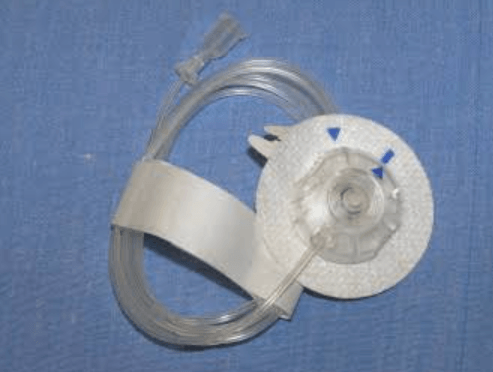
Before any infusion begins, experienced nurses run a quick mental checklist across the parts of an IV set to catch problems before they reach the patient. This piece walks through that pre-infusion inspection habit, part by part.
Checking the Spike Seal
A properly inserted spike should sit flush against the bag port with no visible leakage. A loose seal here can introduce air or cause slow, inconsistent dripping.
Inspecting the Drip Chamber Fill Level
The drip chamber should be filled roughly halfway. Too full and you can’t count drops accurately; too empty and air can be drawn into the tubing.
See also: Software Development in the Modern Era
Tubing Integrity
Kinks, cracks, or cloudiness in the tubing can signal a compromised set that shouldn’t be used, even if it appears to be flowing normally.
Roller Clamp Function
The clamp should move smoothly along the tubing without sticking, since a stiff clamp makes fine flow-rate adjustments unreliable.
Connector Security
The Luer lock connector at the patient end should thread on firmly. A loose connection is one of the more common causes of unnoticed fluid leakage.
Additional Resource
New staff often find it useful to study a labeled diagram covering parts of iv set before doing their first unsupervised setup.
Frequently Asked Questions
How often should IV tubing be inspected during a long infusion?
Standard practice is to check tubing at each rounding interval, and immediately if the patient reports discomfort or the pump alarms.
What’s the risk of an overfilled drip chamber?
An overfilled chamber makes it impossible to visually count drops, which reduces the accuracy of gravity-fed rate control.
Should a kinked tubing set ever be used after straightening it?
It’s safer to replace the set entirely, since a kink can weaken the tubing wall even after it looks straight again.
Conclusion
A quick, deliberate check of each part before starting an infusion takes less than a minute but prevents the majority of common IV setup problems. Building this habit into routine practice protects patients without slowing down care.