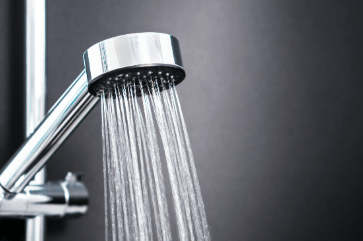
Shower pressure issues often stem from simple blockages or worn components. Begin by inspecting aerators and the showerhead for mineral buildup, then dismantle and clean screens and seals. Check valve assemblies for leaks and ensure stems operate smoothly with proper lubrication. If flow remains weak, test across fixtures, inspect pipe clearances, and assess regulator function. Persistent drops or unusual noises warrant a licensed plumber, and proactive checks can prevent future declines. The next steps reveal which part failed and how to fix it.
What Shortens Shower Pressure and How to Spot It
Common factors that reduce shower pressure stem from blockages, sizing mismatches, and worn components within the supply path. The analysis identifies clogged aerator and mineral buildup as primary symptoms. A clogged aerator restricts flow, while mineral buildup narrows passageways and alters spray patterns. Detection relies on pressure comparison across fixtures, pressure differential, and visible debris, guiding targeted maintenance decisions.
Clean and Restore Flow: Aerators, Showerhead, and Valves
To restore flow, inspect and clean the aerators, showerhead, and valve assemblies to remove mineral deposits and debris that impede passage.
Aerator troubleshooting requires dismantling screens, flushing openings, and reseating parts with replaced seals as needed.
Valve maintenance follows: test for leaks, lubricate stems, and verify smooth operation.
Clean components optimize flow, reduce resistance, and restore consistent water delivery.
Tackle Water Pressure Issues: Home Tests and Fixes You Can Do
After restoring flow through aerators, showerheads, and valves, attention shifts to diagnosing and addressing remaining water pressure issues.
The section outlines simple home tests and fixes without professional service, emphasizing practical verification like pipe clearance, regulator function, and supply limitations.
Techniques include fixing mineral buildup and assessing gravity fed systems, ensuring consistent pressure while avoiding unnecessary disassembly and risk.
When to Call a Pro and How to Prevent Future Drops
When should a professional be summoned, and what measures prevent further pressure drops? A licensed plumber should be engaged for persistent or rapid declines, unusual noises, or water leaks.
Preventive steps include regular pipe inspection, protective sediment filters, and timely replacement of aging fittings.
Risks: showerhead clogging and pipe corrosion compromise flow, necessitating professional diagnosis and targeted remediation.
Regular maintenance ensures consistent pressure.
See also: How Regulations Impact Prices
Conclusion
The conclusion, in a precise, instructive third-person voice, notes that the system’s reliability hinges on disciplined inspection and methodical fixes. Minute blockages and worn seals act like quiet saboteurs, slowing the stream. By methodically cleaning aerators, showerheads, and valves, checking pressure consistency, and verifying regulator function, the pathway to steady flow emerges. Persistent drops or odd noises signal deeper issues, where professional expertise becomes essential, ensuring safeguards against recurring restrictions and preserving optimal pressure over time.