Introduction
Wood has remained one of the most popular natural materials used in furniture, flooring, interior decoration, and architectural design. Its attractive appearance, warm texture, and versatility make it valuable across residential and commercial applications. However, wood surfaces require effective protection against scratches, moisture, chemicals, and environmental damage to maintain their appearance and durability. This is where UV-curable wood coatings have become an important innovation in the modern finishing industry.
Unlike traditional coating systems that require long drying periods, UV-curable coatings use ultraviolet light to rapidly harden protective layers on wood surfaces. This technology provides faster production cycles, improved surface performance, and reduced environmental impact. As manufacturers look for efficient and sustainable finishing solutions, UV-based coating technologies are gaining popularity in furniture manufacturing, flooring production, and decorative wood applications.
The increasing demand for high-quality wooden products has encouraged industries to adopt advanced coating systems that offer both aesthetic improvement and long-term protection. Understanding the benefits, applications, and future potential of UV-curable wood coatings helps manufacturers select better solutions for modern wood finishing requirements.
Understanding UV-Curable Wood Coatings
What Are UV-Curable Coatings?
UV-curable coatings are specialized surface treatments that use ultraviolet radiation to initiate a chemical reaction called photopolymerization. During this process, liquid coating materials quickly transform into a solid, durable film after exposure to UV light.
These coatings typically contain resins, reactive components, pigments, additives, and photoinitiators. When UV energy activates the photoinitiators, the coating molecules form strong chemical bonds, creating a hardened protective layer on the wood surface.
This rapid curing process separates UV coatings from conventional finishes that rely on evaporation or heat-based drying methods.
How Do UV-Curable Wood Coatings Work?
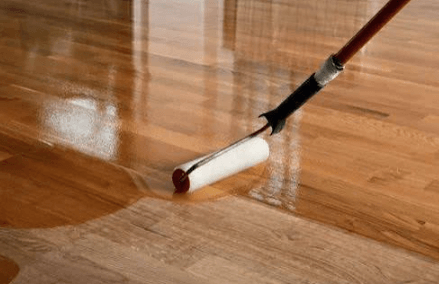
The application process usually involves several steps. First, the coating material is applied evenly onto the wooden surface through spraying, rolling, or other industrial methods. The coated wood then passes under UV lamps, where ultraviolet energy instantly cures the material.
Because curing happens almost immediately, manufacturers can continue processing finished products without waiting for long drying times. This improves production efficiency and reduces storage requirements.
Advantages of UV-Curable Wood Coatings
Faster Production and Processing
One of the biggest benefits of UV technology is its extremely fast curing speed. Traditional wood coatings may require hours or even days to fully dry, depending on environmental conditions.
UV-curable systems allow manufacturers to complete finishing operations within seconds after UV exposure. This significantly increases production capacity and reduces manufacturing delays.
For large-scale furniture and flooring producers, faster processing leads to improved efficiency and better resource utilization.
Superior Surface Protection
Wood surfaces face daily challenges such as scratches, stains, moisture exposure, and chemical contact. UV-cured coatings create a strong protective barrier that improves resistance against these damaging factors.
The hardened coating film provides excellent durability, making finished wood products more suitable for high-traffic environments such as hotels, offices, and commercial buildings.
Improved Appearance and Finish Quality
A high-quality finish enhances the natural beauty of wood. UV coatings can provide smooth surfaces, attractive gloss levels, and consistent appearance across large production batches.
Manufacturers can create different visual effects, including glossy, matte, and textured finishes, depending on customer preferences and design requirements.
Reduced Environmental Impact
Environmental concerns have encouraged industries to move toward cleaner coating technologies. UV-curable coatings generally contain lower amounts of volatile organic compounds (VOCs) compared with many traditional solvent-based finishes.
Lower VOC emissions contribute to safer working environments and reduced air pollution. This makes UV technology an attractive option for companies seeking more sustainable manufacturing practices.
Applications of UV-Curable Wood Coatings
Furniture Manufacturing
The furniture industry is one of the largest users of advanced wood finishing technologies. Tables, cabinets, chairs, and decorative furniture require coatings that provide both visual appeal and long-lasting protection.
UV-curable finishes help furniture manufacturers achieve consistent quality while increasing production speed. Their resistance to scratches and stains makes them suitable for everyday-use products.
Wooden Flooring
Flooring materials experience continuous mechanical stress from foot traffic, furniture movement, and cleaning activities. Protective coatings are essential for maintaining appearance and extending service life.
UV-cured wood coatings provide excellent hardness and abrasion resistance, making them widely used in engineered wood flooring and hardwood flooring applications.
Interior Decoration and Panels
Decorative wall panels, doors, and architectural wood components require attractive finishes that remain stable over time.
UV coating technology allows manufacturers to produce visually appealing surfaces with enhanced durability. These coatings help preserve the original appearance of wood while protecting against environmental damage.
Key Components Used in UV Wood Coating Systems
UV-Responsive Resins
Resins form the primary structure of UV coatings. Common resin types include acrylic-based and polyurethane-based materials, which provide flexibility, hardness, and adhesion properties.
The selection of resin influences coating performance, including durability, gloss retention, and resistance characteristics.
Photoinitiators
Photoinitiators are essential components because they absorb UV energy and trigger the curing reaction. Their efficiency determines how quickly and effectively the coating hardens.
Advanced photoinitiator systems help achieve reliable curing even in industrial production environments.
Functional Additives
Additives are incorporated to improve specific properties such as leveling, scratch resistance, UV stability, and surface smoothness.
Careful formulation allows manufacturers to customize coatings according to different wood applications.
Challenges in UV-Curable Wood Coating Technology
Although UV coatings provide many advantages, certain challenges must be considered. Initial equipment investment can be higher because manufacturers need specialized UV curing systems.
Another challenge is ensuring complete curing, especially for complex shapes or areas where UV light exposure is limited. Proper equipment design and coating formulation are necessary to achieve consistent results.
Additionally, different wood species may react differently to coating systems, requiring adjustments in preparation and application methods.
Future Trends in UV Wood Coating Development
The future of UV-curable coatings is closely connected with advancements in sustainable materials and smart manufacturing. Researchers are developing bio-based resins, improved photoinitiators, and multifunctional coatings with enhanced performance.
Demand for environmentally responsible products is expected to encourage wider adoption of UV technology across furniture, flooring, and construction industries.
See also: Understanding Load Cell Sensor Technology for Industrial Applications
Manufacturers exploring advanced solutions such as UV-curable wood coatings can benefit from improved productivity, better product quality, and more sustainable finishing processes.
FAQs
1. What are UV-curable wood coatings used for?
UV-curable wood coatings are used to protect and enhance wooden surfaces in furniture, flooring, decorative panels, and architectural applications. They provide durability, attractive finishes, and resistance against damage.
2. Are UV coatings better than traditional wood finishes?
UV coatings offer several advantages over traditional finishes, including faster curing, lower VOC emissions, improved hardness, and better production efficiency. However, the best choice depends on the specific application requirements.
3. Do UV-curable coatings improve wood durability?
Yes, UV-curable coatings create a strong protective layer that improves resistance against scratches, moisture, stains, and wear, helping extend the lifespan of wooden products.
Conclusion
UV-curable wood coatings represent a significant advancement in wood finishing technology. Their rapid curing ability, excellent protection, and environmental advantages make them an attractive alternative to conventional coating systems.
As industries continue to demand faster production, higher-quality finishes, and sustainable manufacturing methods, UV technology will play an increasingly important role in the future of wood protection. From furniture and flooring to decorative applications, UV-curable coatings provide a reliable solution for creating durable and visually appealing wood products.